For more than three decades, LNG project finance has been underpinned by a relatively predictable formula. Strong long-term contracts, investment-grade counterparties and established financing structures provided lenders with a framework that made project bankability easier to assess. In many cases, precedent was as valuable as market analysis.
That framework is now being challenged.
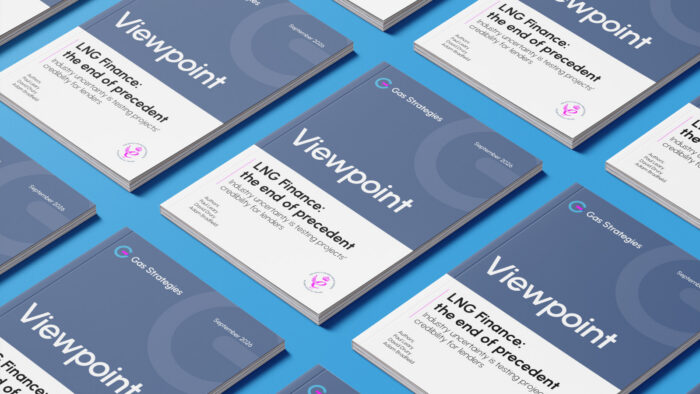
In our Viewpoint, LNG Finance: the end of precedent, we examine how a combination of structural demand uncertainty, evolving commercial models and increasing price volatility is reshaping risk across the LNG value chain. The result is a market in which lenders can no longer rely on historical parallels to evaluate projects and developers can no longer assume that traditional financing structures will secure investment. The industry is entering a new era where competitiveness, commercial resilience and market credibility matter more than ever.
A changing risk landscape
Several long-term trends are converging to alter the risk profile of LNG projects.
The prospect of global LNG oversupply and growing uncertainty around long-term demand growth are all creating questions that were less significant in previous financing cycles. At the same time, LNG’s traditional role as a strategic source of energy diversification is evolving as countries place greater emphasis on energy independence, decarbonisation and domestic energy security.
Alongside these market shifts, the nature of LNG offtake is changing. Historically, projects were often supported by long-term agreements with established utility buyers. Increasingly, however, portfolio players and traders are taking a larger role in the market, creating new forms of counterparty risk and exposing projects more directly to underlying demand uncertainty. As a result, lenders must look beyond contract structures and place greater emphasis on the financial strength and resilience of project counterparties.
Bankability must be earned
The growing influence of LNG price indices such as JKM and TTF is also introducing a level of pricing volatility that many projects have not previously been required to consider as closely. For lenders, the key question is no longer whether a project’s pricing structure appears stable in normal market conditions, but whether it remains credible under periods of severe market stress.
In this environment, project competitiveness becomes increasingly important. Cost profile, shipping economics, emissions performance and commercial flexibility will all play a larger role in determining which projects attract financing and which struggle to progress.
The implications extend beyond new project financings. Existing LNG assets seeking refinancing are also facing a more demanding environment as lenders reassess assumptions that once appeared robust. Greater scrutiny of price forecasts, contract structures and overall market positioning is likely to reduce the value of precedent-led decision making. In its place, lenders will increasingly focus on downside resilience, stress-tested economics and a project’s ability to remain competitive across a wider range of market outcomes.
Drawing on Gas Strategies’ experience advising lenders on the majority of LNG project financings globally, this Viewpoint explores why precedent is becoming less relevant, how financing decisions are changing, and what lenders, sponsors and investors should prioritise in a more volatile market. As the sector enters a period of heightened complexity, access to independent, credible commercial advice has never been more important.